sta je vazelin i kako se koristi
What is Vaseline and how is it used?
What is Vaseline and how is it used?
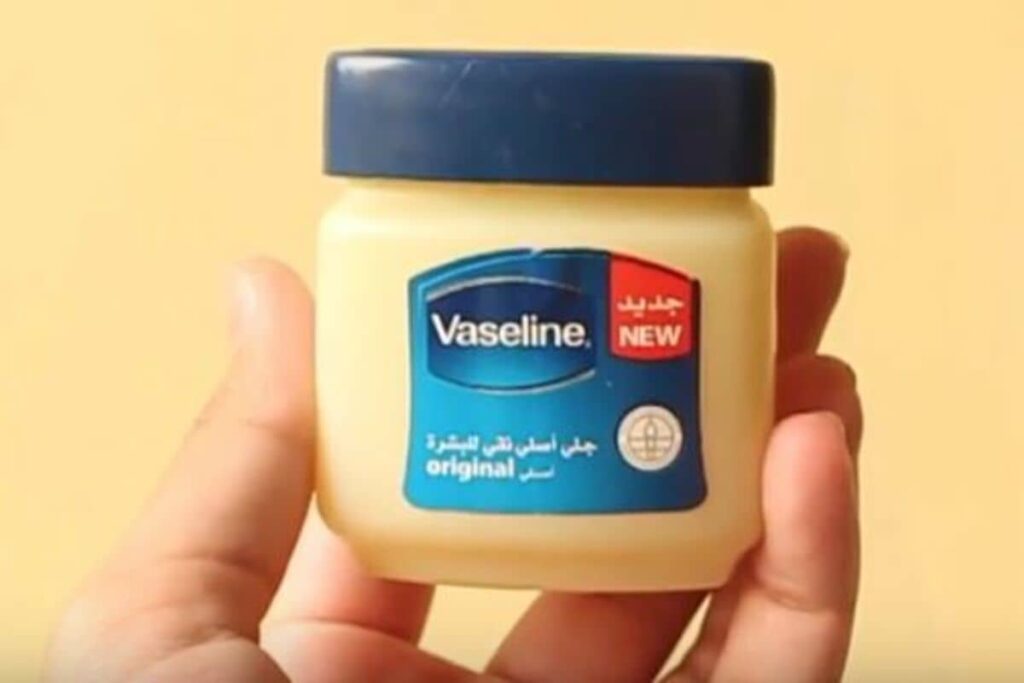
Vaseline is a clear, thick mixture of mineral oils and waxes, known for its excellent moisturizing and protective properties for dry, cracked skin.
Introduction
Vaseline is an over-the-counter substitute for oil-based ointments—you can use it for almost anything. It is an excellent skin moisturizer; Vaseline helps relieve pain from chapped lips and can soothe skin conditions such as eczema.
And, as if that were not enough, it can also be used to coat isolated car battery terminals to help prevent corrosion.

Hamamelis (Witch Hazel) in Natural Healing 26
Hamamelis (Witch Hazel) in Natural Healing Hamamelis (Witch Hazel) is a medicinal plant valued for...
Fumitory medicinal properties 26
Fumitory medicinal properties Fumitory medicinal properties (Fumaria officinalis), also known as fumewort, is a medicinal...

Vinegar as a Remedy 26
Vinegar as a Remedy Vinegar as a natural remedy has long been used in traditional...
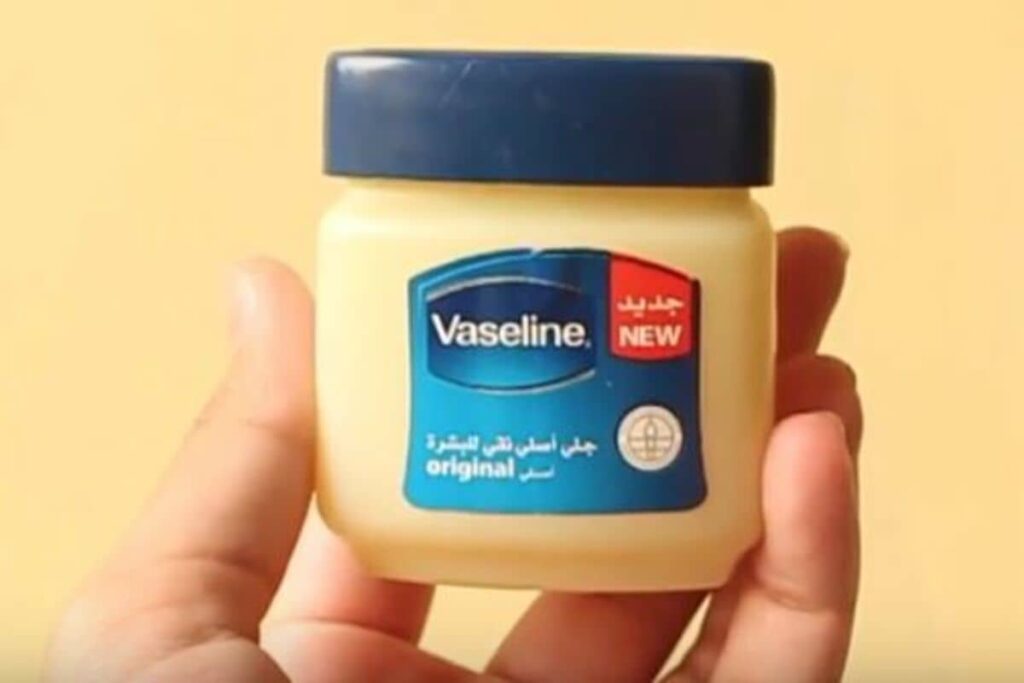
What is vaseline good for ?
- allergies
- blisters
- chapped lips
- cold sores (herpes simplex)
- cuts and scratches
- dry skin
- eczema
- head lice
- hemorrhoids
- nosebleeds
- psoriasis
History of Vaseline
Vaseline was discovered in the mid-19th century during the development of the oil industry in the United States. Workers at oil drilling sites noticed a thick, sticky substance forming on equipment, known as “rod wax,” and they used it to treat cuts and burns.
Robert Chesebrough, a chemist, was responsible for the further development of Vaseline. In 1859, he began studying this substance. After a series of experiments, he succeeded in purifying it and making it safe for use on the skin.
In 1872, he patented the product under the name Vaseline, which soon became widely accepted around the world. Due to its protective and moisturizing properties, Vaseline quickly found applications in medicine, cosmetics, and everyday skin care.
Over the years, Vaseline has remained one of the simplest and most reliable skin protection products, and its use has continued to this day because of its effectiveness and affordability.
Vaseline is made from petroleum, the same basic material used to lubricate car engines and fuel vehicles. The reason it is applied externally rather than used as fuel is that it is made from heavier petroleum fractions, including mineral oils and paraffin wax.
What is Vaseline and how is it used? Vaseline is an excellent base for balms and ointments, and it is also useful on its own.
What is Vaseline and how is it used? Doctors often recommend Vaseline as a moisturizing cream during winter, because it is thicker and retains more moisture than regular lotions.
What is Vaseline and how is it used? It is perfect for dry hands and feet, especially when wearing thick clothing and putting on gloves and socks before going to bed.
What is Vaseline and how is it used? To ensure the best skin protection, apply Vaseline after showering or bathing. This helps lock moisture into the skin where it is needed. At the same time, oils are absorbed into the skin, making it elastic and soft.
Chemical composition of Vaseline
Vaseline is a semi-solid mixture obtained through the processing of petroleum, consisting primarily of a blend of hydrocarbons. Its base is made up of saturated hydrocarbons, known as paraffins and isoparaffins, derived from mineral oils and waxes.
Vaseline chemical composition – main components include:
Paraffinic hydrocarbons – long-chain molecules that provide structure and thickness
Microcrystalline waxes – contribute to firmness and stability
Mineral oils – provide softness and lubricating properties
Thanks to this composition, Vaseline is hydrophobic, meaning it does not dissolve in water and forms a protective layer on the surface of the skin. This layer helps retain moisture and prevents dryness.
Pharmaceutical (medical-grade) Vaseline undergoes additional purification processes to remove unwanted substances, making it safe for use on the skin.
Serbian version What is Vaseline and how is it used?
What else is Vaseline good for?
What else is Vaseline good for? It is useful in many situations, for example:
What is Vaseline good for? It helps prevent skin damage caused by wind. Vaseline creates an excellent protective barrier between your skin and the wind.
What is Vaseline good for? It can help soothe psoriasis. Apply Vaseline to dry areas of skin affected by this chronic skin condition. It softens the skin and helps remove thick, itchy scales.
What is Vaseline good for? It can help remove head lice. Resistant head lice that do not respond to over-the-counter treatments may be affected by a thick layer of Vaseline applied to the scalp.
What is Vaseline good for? Leave it on overnight and repeat the procedure for several nights in a row. When removing it with baby oil, you also help remove the lice. Keep in mind that this treatment does not eliminate the need to comb out the nits.
What is Vaseline good for? Some mothers report that this method can cause more problems than benefits, because removing Vaseline from the hair can be difficult.
If baby oil does not work, try a trick used by one mother: prepare a liquid paste made from dishwashing liquid and corn flour. Let it harden, then rinse it out with shampoo.

What is Vaseline good for?
What is Vaseline good for? It soothes chapped lips. Apply Vaseline to the lips to prevent rapid moisture loss, which has a drying effect. It is an ideal moisturizing agent and also gives the lips a nice shine.
What is Vaseline good for? It protects cuts and scratches. A layer of Vaseline keeps moisture inside the wound while also keeping air and bacteria away from it.
What is Vaseline good for? It moisturizes healing burns. Do not apply Vaseline immediately after a burn, because it can trap heat and increase skin damage. However, after about 3 days, when the skin starts healing on its own, applying Vaseline can help reduce dryness and support better recovery.
What is Vaseline good for? It can trap pollen. Apply a small amount of Vaseline to the entrance of the nostrils to catch airborne pollen particles before they enter deeper into the respiratory tract.
What is Vaseline good for? It can help prevent nosebleeds. To avoid nosebleeds, keep the nasal mucosa moist by applying a small amount of Vaseline inside the nostrils. This is especially useful during air travel.
Mechanism of action of Vaseline
Vaseline works as an occlusive agent, meaning it forms a protective layer on the surface of the skin that prevents moisture loss. This layer does not penetrate deeply into the skin but remains on its surface and physically protects it from external factors.
Its main action is based on:
- Moisture retention – reduces water loss from the skin and helps maintain hydration
- Protective barrier – protects the skin from cold, wind, and irritation
- Skin barrier restoration – allows the skin to naturally regenerate
- Reduction of irritation – soothes dry and cracked skin
Vaseline does not directly hydrate the skin; instead, it helps retain existing moisture, which is why it is recommended to apply it on slightly damp skin for maximum effect.
Thanks to this mechanism, Vaseline is often used to protect sensitive and dry skin, as well as to speed up the recovery of minor skin damage.
What is Vaseline good for? A multipurpose product
Skilled craftsmen keep a tube of Vaseline in their toolbox as well as in their medicine cabinet. When painting, a layer of Vaseline can be applied to locks and door hinges to prevent paint from sticking to them.
What is Vaseline good for? Auto mechanics often coat their hands with Vaseline to protect the skin and keep oil and grease away.
What is Vaseline good for? It can even be used to remove stuck chewing gum from hair, take off tight rings, and remove makeup.
Health benefits of Vaseline
| Area of use | Benefit | Short description |
|---|
| Dry skin | Hydration and protection | Reduces moisture loss and prevents skin dryness |
| Chapped skin | Skin barrier recovery | Helps heal cracked areas (hands, heels, lips) |
| Minor burns (mild) | Skin soothing | Forms a protective layer and reduces irritation |
| Small cuts and scratches | Infection protection | Shields the skin surface from external factors |
| Lips | Prevents chapping | Keeps lips soft and moisturized |
| Nasal mucosa | Reduces dryness | Used for dry or irritated nose |
| Cosmetic care | Protective layer | Locks in moisture after creams or oils |
| Eczema and irritation | Symptom relief | Reduces tightness and itching sensation |
Scientific research on Vaseline
Numerous scientific studies in the field of dermatology have confirmed that Vaseline has a clearly defined occlusive effect on the skin, meaning it forms a protective layer on its surface and thereby reduces water loss from the epidermis. This mechanism is particularly important for maintaining hydration and proper skin barrier function.
Scientific research on Vaseline. Dermatological studies have shown that regular application of Vaseline can significantly improve the condition of dry and damaged skin, especially in individuals suffering from eczema, dermatitis, and other chronic skin conditions. Its effect is based on reducing transepidermal water loss, which allows the skin to retain its natural moisture and accelerates regeneration processes.
Scientific research on Vaseline has also shown that it does not penetrate deeper layers of the skin but remains on the surface, where it acts as a physical barrier against external factors such as cold, wind, and pollution. Because of this, it is often used in dermatological practice as a supportive agent in the treatment of various skin conditions.
In addition, scientific research on Vaseline and clinical studies indicate that it is one of the safest dermocosmetic products, as it is chemically inert, contains no allergens, and rarely causes irritation or allergic reactions. Due to this safety profile, it is often recommended for sensitive skin and, in some cases, even for babies.
Furthermore, some scientific studies on Vaseline have compared it with other moisturizing agents and shown that, although it does not directly hydrate the skin, it is one of the most effective products for locking in moisture, making it a standard in basic dry skin care.
All these findings confirm that Vaseline, although a simple product, holds a stable place in modern dermatology and remains one of the most researched and widely used preparations for skin protection and care.
Possible risks and limitations of Vaseline use
Although Vaseline is considered a safe and well-researched skincare product, there are certain limitations and situations in which its use may not be ideal. Vaseline acts as an occlusive agent, meaning it forms a protective layer on the skin’s surface but does not allow the skin to “breathe” in a traditional sense. In some individuals, this may cause discomfort if it is used incorrectly or in excessive amounts.
One possible risk is improper application on dirty or unclean skin, as Vaseline seals the surface and may “trap” dirt and bacteria, potentially leading to irritation or inflammatory reactions. Therefore, it is recommended to apply it only on clean and preferably slightly damp skin.
In people with very oily or acne-prone skin, using Vaseline on the face may worsen the condition, as it can contribute to pore blockage, even though Vaseline itself is not comedogenic in the strict sense. For this reason, facial use is advised with caution and depending on skin type.
Although allergic reactions to Vaseline are very rare, they can occur in highly sensitive individuals, most often due to impurities in insufficiently refined products. Therefore, the use of medical-grade purified Vaseline is recommended.
In some cases, excessive and long-term use may lead to reduced natural activity of the skin barrier, meaning the skin may become less efficient in regulating its own moisture balance.
Because of all this, Vaseline is a safe and useful product when used correctly, but it is important to understand its limitations and apply it according to skin type and individual needs.
Possible risks and limitations of Vaseline use
| Area / situation | Possible risk | Short description |
|---|
| Dirty skin | Retention of dirt and bacteria | Vaseline can trap dirt on the skin surface and increase the risk of irritation |
| Oily and acne-prone skin | Worsening of skin condition | May contribute to pore blockage in sensitive or acne-prone skin |
| Excessive use | Reduced natural moisture regulation | The skin may become “lazy” in its own hydration process |
| Sensitive skin | Rare allergic reactions | Possible reactions in individuals sensitive to poorly refined petroleum derivatives |
| Long-term use | Dependence on external protection | The skin may become less efficient in its natural barrier function |
| Poorly refined product | Irritation | Low-quality Vaseline may contain unwanted impurities |
Conclusion– vaseline
What is Vaseline and how is it used
Vaseline is a simple product based on mineral oils and waxes used for skin protection and hydration. It is most often applied to dry or slightly damp skin to prevent moisture loss and strengthen the skin barrier.
What is Vaseline good for
Vaseline is used for caring for dry and cracked skin, protecting lips, hands, and heels, as well as reducing irritation. Its main advantage is the ability to retain moisture and form a protective layer on the skin’s surface.
Chemical composition of Vaseline
Chemically, Vaseline is a mixture of saturated hydrocarbons, mainly paraffins and mineral oils. This composition gives it stability, thickness, and occlusive properties that are essential for its effect on the skin.
Scientific research on Vaseline
Scientific research has confirmed that Vaseline effectively reduces water loss from the skin and helps restore the skin barrier. Dermatological studies describe it as one of the safest and most effective occlusive agents in skincare.
Possible risks and limitations of Vaseline use
Although generally safe, Vaseline may have limitations in oily and acne-prone skin, as well as when applied improperly to unclean skin. In rare cases, irritation or pore blockage may occur.
- 1. Blank, I.H. (1952). Skin moisture and barrier function. Journal of Investigative Dermatology. Study on epidermal hydration mechanisms. https://www.jidonline.org
- 2. Elias, P.M. (1983). Epidermal lipids and barrier function. Journal of Dermatological Science. Explains role of skin lipids in protection and hydration. https://www.jdsjournal.com
- 3. Lodén, M. (2003). Emollients in dry skin therapy. American Journal of Clinical Dermatology. Clinical evaluation of moisturizers including occlusive agents. https://link.springer.com
- 4. Draelos, Z.D. (2011). Skin moisturization science. Dermatologic Clinics. Mechanisms of hydration and occlusion in dermatology. https://www.derm.theclinics.com
- 5. Fluhr, J.W. et al. (2008). Transepidermal water loss studies. Skin Pharmacology and Physiology. Research on skin barrier repair and hydration. https://www.karger.com
- 6. Rawlings, A.V. (2006). Skin barrier function review. International Journal of Cosmetic Science. Overview of occlusive agents and skin protection. https://onlinelibrary.wiley.com
- 7. Proksch, E. et al. (2008). Moisturizers and skin health. Journal of Dermatological Treatment. Clinical effects of emollients on skin barrier repair. https://www.tandfonline.com
- 8. Mayo Clinic Staff (2020). Petroleum jelly uses and safety. Medical overview of dermatological applications. https://www.mayoclinic.org
- 9. American Academy of Dermatology (2021). Dry skin treatment guidelines. Clinical recommendations for emollient use. https://www.aad.org
- 10. Britannica (2022). Vaseline history and development. Historical overview of petroleum jelly. https://www.britannica.com
- 11. Chesebrough, R. (1872). Petroleum jelly patent documentation. Original industrial patent for Vaseline. https://patents.google.com
- 12. National Library of Medicine (2020). Occlusive agents in dermatology. Review of petroleum-based skin treatments. https://pubmed.ncbi.nlm.nih.gov
- 13. Healthline Editorial (2023). Petroleum jelly benefits and risks. Modern consumer health overview. https://www.healthline.com
- 14. Kligman, A.M. (1970). Skin barrier research. Archives of Dermatology. Foundational dermatology barrier studies. https://jamanetwork.com
- 15. Pierard, G.E. (1992). Skin hydration physiology. Dermatology Research and Practice. Studies on moisture retention in epidermis. https://www.hindawi.com
- 16. Prirodni lekovi i edukativni sadrzaj o prirodnoj medicini. Available at: Prirodno lecenje – Prirodni lekovi
O autoru