Detailed analysis of medicinal properties
Fumitory medicinal properties
Fumitory medicinal properties (Fumaria officinalis), also known as fumewort, is a medicinal plant traditionally used for body cleansing and detoxification.
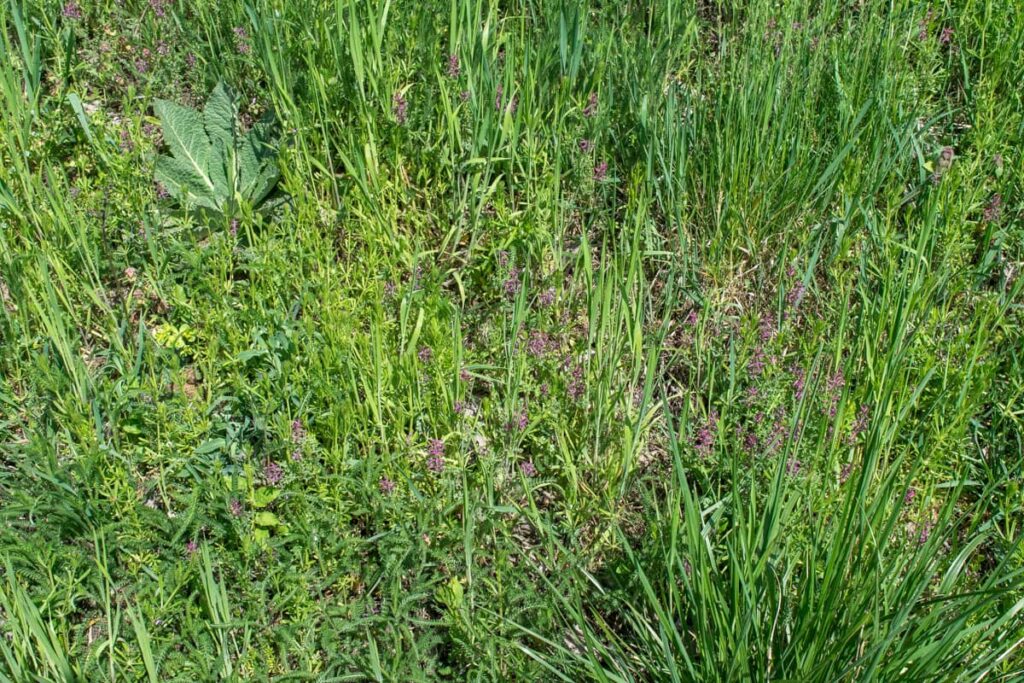
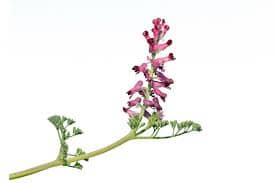
Fumitory medicinal properties (Fumaria officinalis), commonly known as fumewort, is an annual plant belonging to the poppy family. It grows widely across Europe, Asia, and parts of North Africa, and is recognizable by its slender, branching stems and small pinkish or whitish flowers. It is highly valued in traditional medicine due to its healing properties.
Traditionally, it has been used to cleanse the body, support liver function and glands, and improve digestion. Fumitory tea, tinctures, and extracts are made from its leaves and flowers, offering mild diuretic and detoxifying effects. The plant is also known for helping with skin conditions and occasional digestive issues, making it a regular component of natural medicine.

Hamamelis (Witch Hazel) in Natural Healing 26
Hamamelis (Witch Hazel) in Natural Healing Hamamelis (Witch Hazel) is a medicinal plant valued for...

What is Vaseline and how is it used 26
What is Vaseline and how is it used? What is Vaseline and how is it...

Vinegar as a Remedy 26
Vinegar as a Remedy Vinegar as a natural remedy has long been used in traditional...
Recent scientific research has confirmed that fumitory contains antioxidants and alkaloids that contribute to its anti-inflammatory and hepatoprotective effects. Thanks to these properties, fumitory is now used in modern herbal preparations, while its role in traditional medicine remains popular across generations.
Fumitory medicinal properties
Article Serbian version Fumitory
Fumitory medicinal properties are highly valued for their beneficial effects on the liver and glands. Its alkaloids and flavonoids support the body’s detoxification processes, stimulate liver function, and aid digestion. Fumitory tea or tincture is often used for bloating, digestive issues, and occasional gastrointestinal discomfort. Its mild action helps eliminate toxins from the body and contributes to an overall feeling of lightness and increased energy.
The plant also has a mild diuretic effect, which supports the elimination of harmful substances from the body and helps maintain kidney health. In addition, fumitory has a positive impact on the skin and is used for occasional skin conditions and inflammation. Its cleansing and regenerative properties make it an essential component of traditional medicine, where it has been used for centuries to support overall vitality.
Scientists emphasize that fumitory contains antioxidants and anti-inflammatory compounds, further supporting its use in herbal medicine. Regular and proper use of fumitory may contribute to improved liver function, better digestion, and overall vitality, with minimal side effects when used in recommended amounts.
Thanks to its beneficial effects, fumitory is a plant that bridges traditional use and modern scientific validation, making it a valuable addition to everyday natural health practices.
Use in traditional medicine
This herb is most commonly used in traditional medicine in the form of teas, tinctures, and extracts, and its use has been passed down through generations. Tea is prepared from dried or fresh leaves and flowers. Typically, one to two teaspoons of the plant are poured over about 200 ml of hot water and left to steep for 10–15 minutes. The tea is usually consumed once or twice a day, as needed, before or after meals. This beverage has a mild diuretic effect, supports digestion, and helps eliminate toxins from the body.
Tincture is made through alcohol extraction of the plant and is considered a stronger form of use, suitable for people who want precise dosing. It is commonly used for bloating, occasional digestive problems, overall body detoxification, as well as support for liver and gland function. Fumitory extracts, available in health food stores or pharmacies, allow for easy use and accurate dosing, which is especially useful for long-term use of the plant.
In addition to internal use, this herb is occasionally used externally as well. Compresses and baths made with the plant decoction are applied for minor skin inflammations, irritations, or skin health issues. Its anti-inflammatory properties and antioxidant content make it suitable for external care, while regular consumption of tea supports better liver function, digestion, and overall vitality.
However, it is important to follow recommended dosages and exercise caution in the case of pregnant or breastfeeding women, children, or people with chronic conditions. Proper use of fumitory can be safe and effective, but it is always advisable to consult a doctor or herbalist before starting long-term treatment. Traditional experience and modern practice show that fumitory is a simple, natural, and useful way to support body detoxification and maintain overall health.
Fumitory tea and its preparation
Tea is the most common form of use of this plant in traditional medicine. For its preparation, dried or fresh leaves and flowers are used. Typically, one to two teaspoons of the plant are poured with about 200 ml of hot water and left to steep for 10–15 minutes, then strained.
This herb is usually consumed one to two times a day, as needed, before or after meals. The tea has a mild diuretic effect, supports digestion, promotes the elimination of toxins, and contributes to an overall feeling of increased energy and lightness in the body. Traditionally, it is also used for bloating, occasional digestive discomfort, as well as for supporting liver and gland function.
For optimal results, regular and proper use of the tea is recommended, while respecting the suggested dosages. It is also advisable to consult a doctor or herbalist in cases of chronic conditions, as well as for pregnant and breastfeeding women.
Tinctures and extracts
This herb in traditional medicine is also commonly used in the form of tinctures and extracts, which allow for precise dosing and a stronger effect of the plant. The tincture is prepared through alcohol extraction of fumitory and is used for digestive issues, bloating, body cleansing, and support of liver and gland function.
Extracts, available in pharmacies and health food stores, provide a simple way to use the plant with accurate dosing, especially during long-term use. The use of fumitory in tinctures and extracts represents both a tradition in folk medicine and a modern approach that combines natural therapy with contemporary herbal practices.
Regular and proper use of fumitory in these forms contributes to better digestive function, body detoxification, and overall maintenance of vitality, while adherence to recommended dosages is essential for safety.

External use and compresses
This herb is sometimes also used externally in traditional medicine, most often in the form of compresses or baths prepared with a plant decoction. Compresses made from fumitory are applied for minor skin inflammations, irritations, or occasional skin health issues. This use shows how versatile fumitory is in folk medicine, as it not only acts internally on digestion and the liver but also contributes to external body care.
A decoction of fumitory for compresses is prepared by pouring one to two teaspoons of dried leaves and flowers with hot water and leaving it to steep for 10–15 minutes. It is then strained and used for compresses or mild baths. Regular and proper use of fumitory in this way may help reduce irritation and support the natural healing of the skin.
The use of fumitory in traditional medicine, whether as tea, tincture, or external compresses, is based on tradition and generations of proven experience. However, it is always recommended to follow suggested dosages and consult a healthcare professional in cases of specific medical conditions.
Source : Fumaria officinalis
Precautions and recommendations
The use of fumitory in traditional medicine is generally considered safe when recommended doses are followed, but there are situations where caution is necessary. Pregnant and breastfeeding women, children, and individuals with chronic conditions or liver and kidney problems should consult a doctor or herbalist before use.
Thiis herb, although a natural plant, contains active compounds such as alkaloids that may cause discomfort in higher doses. Therefore, it is important to use the plant according to instructions, whether in the form of tea, tincture, extract, or external application through compresses.
Proper and regular use of fumitory contributes to body detoxification, better digestive function, maintenance of vitality, and skin health. Its use in traditional medicine has a long history, but the modern approach includes dose control and monitoring of effects in order to maximize benefits and reduce the risk of side effects.
Scientific research and confirmation of effects
Fumaria officinalis has long been the subject of research due to its medicinal properties, which are well established in traditional medicine. Modern scientists have confirmed that the plant contains antioxidants, alkaloids, and flavonoids that contribute to its anti-inflammatory, hepatoprotective, and diuretic effects.
Studies show that fumitory extracts may have a positive effect on liver function, promote the elimination of toxins, and improve digestion. Research has also indicated that the plant’s active compounds may exhibit mild antimicrobial activity, which further supports its use in traditional medicine.
In a study published in the journal Fitoterapia, it was highlighted that fumitory contains a complex mixture of bioactive compounds that may support liver and digestive health, with minimal side effects when the plant is used in recommended doses. This confirms the traditional use of fumitory and provides a modern scientific foundation for its application.
Regular use of fumitory, based on scientific findings and traditional medical experience, may contribute to:
- better liver and gland function
- improved digestion
- body detoxification
- maintenance of vitality and energy
Modern phytotherapy and traditional medicine complement each other, as fumitory is a plant that is both traditional and scientifically validated, which makes it an important choice for everyday use in natural medicine.
Detailed analysis of medicinal properties
(Fumaria officinalis) is a plant rich in bioactive compounds that contribute to its medicinal effects. Its main active constituents include alkaloids (such as fumarine and protopine), flavonoids, and antioxidants. The alkaloids in fumitory have a mild anti-inflammatory effect and help stimulate liver function, while flavonoids and antioxidants help neutralize free radicals and protect cells from oxidative stress. These mechanisms explain the traditional use of fumitory in folk medicine for body cleansing and overall vitality support.
Effects on the liver and glands
Fumitory has a significant hepatoprotective effect. Regular use of the plant may help support liver function and promote the elimination of toxins. Alkaloids in fumitory positively influence the synthesis and secretion of liver enzymes, contributing to more efficient fat metabolism and drug processing. In addition, the plant supports gland activity and helps regulate digestive processes, which is why it has been used for centuries for bloating, abdominal heaviness, and occasional digestive discomfort.
Effects on digestion and the digestive system
Fumitory tea or tincture helps stimulate digestion and reduce bloating. Its components have a beneficial effect on the stomach and intestines, reduce cramps, and ease the passage of food through the digestive tract. Traditionally, it is recommended for people with occasional digestive issues, while modern research confirms that fumitory has a mild antispasmodic effect, helping to relax the smooth muscles of the intestines.
Effects on the skin and external use
Fumitory contains anti-inflammatory and antioxidant compounds that have a beneficial effect on the skin. Compresses and baths made with fumitory decoction are used for irritations, minor inflammations, or skin issues such as acne and redness. The antioxidants in the plant help protect skin cells, while its anti-inflammatory effects reduce redness and irritation. Regular use of fumitory, both internally and externally, contributes to maintaining healthy and vital skin.
Mild diuretic effect
Fumitory promotes the elimination of excess fluid from the body, helping the kidneys and urinary system remove toxins more efficiently. This effect complements its cleansing action and supports the maintenance of overall bodily balance.
Antioxidant and anti-inflammatory effects
Research shows that fumitory contains flavonoids and alkaloids that reduce oxidative stress and help maintain cellular balance. This effect is key to overall health and explains why the plant is traditionally used to support vitality and energy.
All of these properties make fumitory a valuable plant in both folk medicine and modern phytotherapy. Its versatility and confirmed effects make it suitable for long-term use in controlled doses, whether in the form of tea, tinctures, or extracts.
Practical use and tips
This plant is used in many ways in traditional medicine, and proper use is essential in order to maximize its medicinal benefits. The most common form of application is tea, which can be prepared from dried or fresh leaves and flowers. Typically, one to two teaspoons of the plant are poured with about 200 ml of hot water and left to steep for 10–15 minutes, then strained. The tea is consumed once or twice a day, as needed, before or after meals. For a stronger effect, a more concentrated tea can be used or it can be combined with other digestive-supporting herbs such as mint or chamomile.
Tinctures and extracts represent a stronger and more precise form of application. The tincture is prepared through alcohol extraction of the plant and is used for digestive problems, bloating, body cleansing, and support of liver and gland function.
Extracts, available in pharmacies and health food stores, allow simple use and precise dosing, which is especially useful for long-term use. These forms should always be used according to instructions and recommended doses in order to achieve optimal effects without the risk of side effects.
In addition to internal use, it can also be used externally. Compresses and baths made with a decoction are used for minor skin irritations, inflammation, or redness. The decoction is prepared by pouring one to two teaspoons of dried leaves and flowers with hot water and leaving it to steep for 10–15 minutes, then straining. Compresses are applied directly to the skin or used in mild baths. This gentle external action, combined with antioxidant and anti-inflammatory properties, helps maintain healthy and vital skin.
When purchasing, it is important to pay attention to the quality of the plant. Fresh material has a stronger aroma and higher content of active compounds, but must be properly stored in a cool, dark place. Dried form is convenient for teas and tinctures but should be kept in a sealed container to preserve its properties. Extracts and tinctures in bottles allow precise dosing and long shelf life, but it is important to check the expiration date and product quality.
It can be combined with other herbs to enhance its effects. For example, the combination with chamomile has a calming effect on digestion, while combinations with mint or chicory root may support better digestion and toxin elimination.
Use in traditional medicine is safe when recommended doses are followed, but caution is necessary for pregnant and breastfeeding women, children, and individuals with chronic conditions. Proper and regular use contributes to improved liver function, digestion, detoxification, and maintenance of vitality, but consultation with a doctor or herbalist is recommended, especially for long-term use.
Regular use, whether as tea, tincture, extract, or external compresses, allows gradual improvement of overall energy and vitality. Traditional experience and modern scientific research complement each other, confirming that this plant is not only a remedy from folk medicine, but also a plant with modern scientific support.
Modern phytotherapy and trends
Fumitory (Fumaria officinalis) is used in modern phytotherapy as a well-established medicinal plant, whose effects go beyond its traditional use in folk medicine. Extracts and supplements of fumitory are increasingly available in health food stores and pharmacies, as they allow precise dosing of active compounds, making use easier and increasing overall effectiveness.
Modern research confirms that fumitory has antioxidant, anti-inflammatory, and hepatoprotective properties. Its active compounds have a beneficial effect on liver function, digestion, and body detoxification. Due to these characteristics, fumitory is today recommended as part of programs supporting overall health and vitality, especially when combined with a balanced diet and a healthy lifestyle.
Current trends in phytotherapy include combining thids herba with other plants that support digestion or promote detoxification, which enhances its overall effect. The use of fumitory in modern phytotherapy demonstrates how a plant can bridge tradition and scientific validation, making it a safe and useful choice for everyday use in natural medicine.
Cesto postavljena pitanja :
References
- Fumaria officinalis – phytochemical complexity and its medicinal significance
Article published in the journal Fitoterapia, describing the composition of fumitory and its anti-inflammatory, antioxidant, and hepatoprotective effects.
- Pharmacological activities of Fumaria officinalis L.
A review study on PubMed Central highlighting the antioxidant and diuretic properties of fumitory, as well as its use in traditional medicine.
- Herbal Supplement Resource: Fumaria officinalis
Detailed description of the usage, dosage, and effects of fumitory in phytotherapy and natural medicine.
- Phytotherapy Serbia – Fumitory (Fumaria officinalis)
Overview of traditional use of fumitory in folk medicine, including preparation of teas, tinctures, and external applications.
📄 Download Research PDF
📄 Research PDF
Download structured monograph of Fumaria officinalis (fumitory), including botanical data, traditional use, phytochemistry and scientific overview.
⬇ Download fumitory.pdfThis PDF is intended for educational and reference purposes and may be cited as a structured herbal monograph.
O autoru