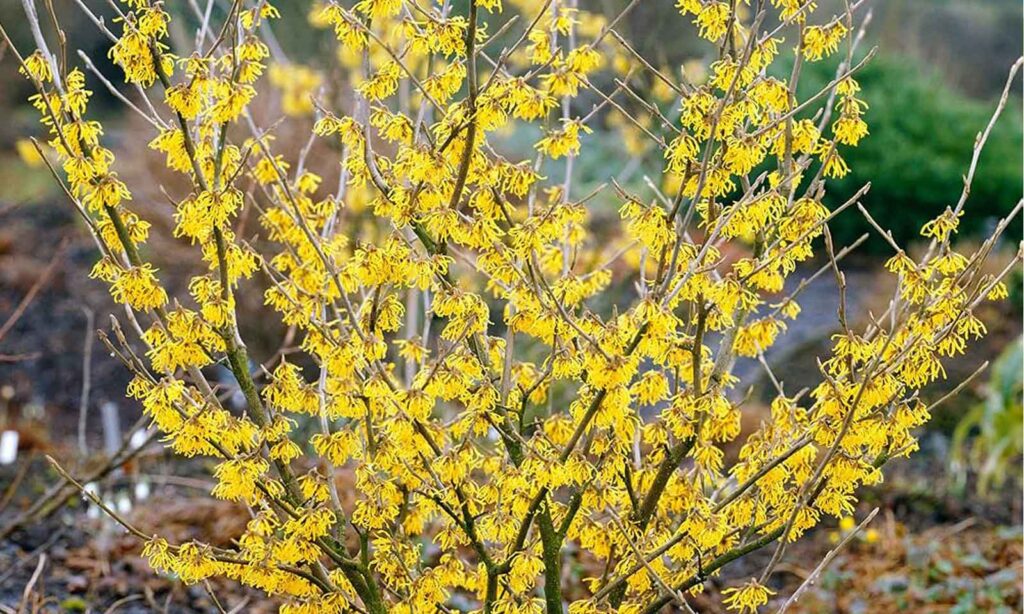
hamamelis
Hamamelis (Witch Hazel) in Natural Healing
Hamamelis (Witch Hazel) is a medicinal plant valued for its astringent, anti-inflammatory, and healing properties in natural medicine and skincare.
Serbian version hamamelis
Hamamelis in Natural Healing

What is Vaseline and how is it used 26
What is Vaseline and how is it used? What is Vaseline and how is it...
Fumitory medicinal properties 26
Fumitory medicinal properties Fumitory medicinal properties (Fumaria officinalis), also known as fumewort, is a medicinal...

Vinegar as a Remedy 26
Vinegar as a Remedy Vinegar as a natural remedy has long been used in traditional...
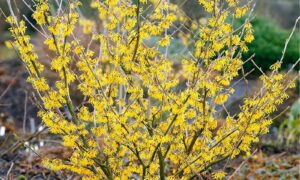
Hamamelis (Witch Hazel) is a genus of shrubs and small trees whose extract is used in cosmetics for its astringent, anti-inflammatory, and healing properties.
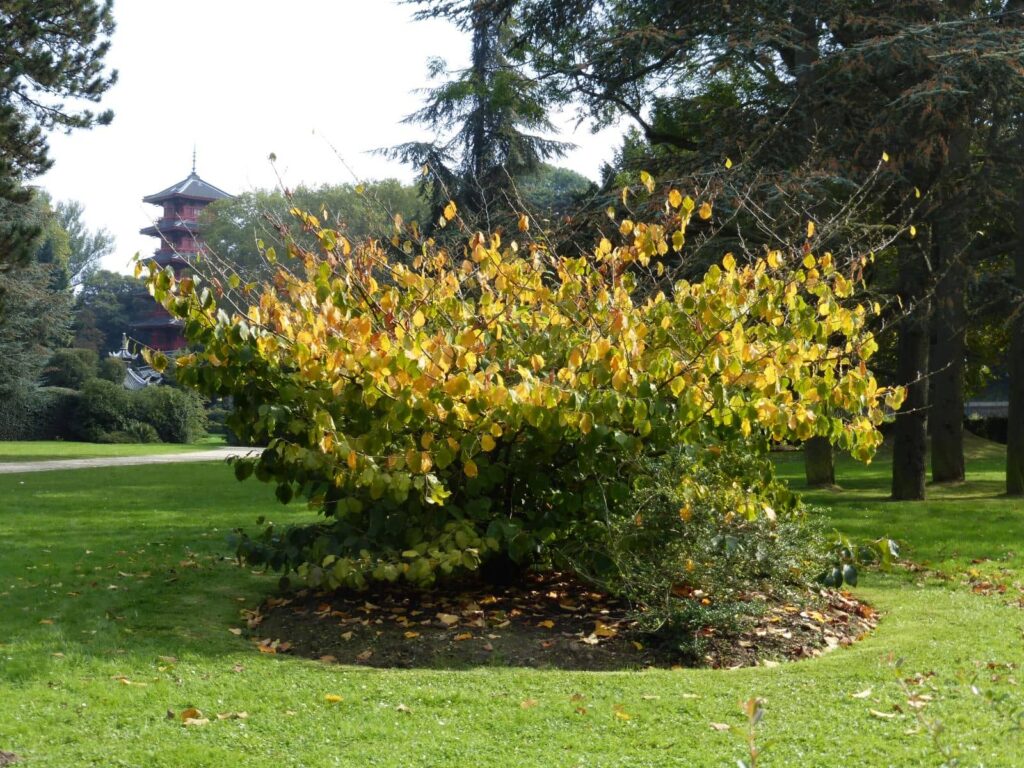
Hamamelis, also known as Witch Hazel (lat. Hamamelis), is a genus of deciduous shrubs or small trees. In cosmetics, extract or hydrosol of witch hazel is commonly used for its astringent, anti-inflammatory, and healing effects.
Along with paracetamol, antiseptics, and adhesive plasters, witch hazel is an essential part of every medicine cabinet.
Liquid extract of an American plant (Hamamelis virginiana) is used topically to relieve itching, reduce pain in hemorrhoids, and refresh the skin.
Witch hazel has no connection to supernatural forces, although its forked branches were historically used for divining underground water, and even today it is valued by dowsers.
Its wood is so flexible that it was once used by Native Americans…
What is witch hazel good for?
- body
- odor bruises
- hemorrhoids
- hives itching
- oily skin
- razor rash (razor burn)
The active ingredient in traditional witch hazel is tannin, a chemical compound with astringent properties: it tightens skin pores as effectively as many cosmetic toners.
Tannins also constrict blood vessels, which can reduce bleeding from shaving cuts and other minor wounds. Because of its tannin content, witch hazel was once used to help treat diarrhea.
However, the distilled preparation currently sold in pharmacies as witch hazel water is a completely different remedy.
In the late 19th century, manufacturers abandoned the traditional soaking method and adopted steam distillation in production.
This new technique was much more efficient, but the high temperature involved in the steaming process means that modern witch hazel is practically free of tannins.
Its mild astringent effect now comes from the alcohol it contains. True herbal preparations of witch hazel, including liquid extracts, dried leaves (which can be used to make herbal infusions), or tinctures, are still available for purchase today.
A refreshing astringent witch hazel
Witch hazel, also known as Hamamelis, has been part of traditional medicine for centuries due to its remarkable properties. In folk use, it has been applied as a natural remedy for reducing inflammation, stopping minor bleeding, and soothing irritated skin. Its skin-tightening and tissue-constricting effects make it one of the most effective herbal astringents.
Thanks to its action, witch hazel is now commonly found in cosmetic products, especially those intended for oily and problematic skin. However, it is important to note that modern pharmaceutical preparations based on witch hazel often contain alcohol, which enhances its effect but also changes its composition compared to traditional remedies.
Although witch hazel sold in pharmacies today has little in common with the traditional remedy, its alcohol content (approximately similar to that in wine) makes it an effective astringent useful in the following situations.
Cuts from shaving witch hazel
Apply a small amount of witch hazel to the wound to disinfect it and potentially reduce bleeding. (However, do not use witch hazel on serious cuts, as the alcohol content may worsen skin damage.)
Even if you haven’t cut yourself, when used as an aftershave lotion, witch hazel leaves the skin feeling soft and soothed.
In addition to its calming effect, witch hazel may help prevent redness, irritation, and ingrown hairs that often follow shaving, especially on sensitive skin. Its mild antiseptic properties act as a natural protective layer, while its astringent effect tightens pores and refreshes the skin without causing tightness or dryness.
Hamamelis (Witch Hazel): What Is It Good For – Skin Freshness, Healing and Natural Uses
To remove excess oil from the skin’s surface, tighten pores, and give the skin a toned appearance, soak a piece of gauze or cotton in witch hazel and gently apply it to the face using a tapping motion.
Witch hazel is an excellent ally in daily skincare, especially for those with oily skin or enlarged pores. Its astringent properties help cleanse the skin of excess sebum and impurities, reducing the risk of acne and inflammatory processes. Regular use of witch hazel can contribute to a more even complexion and a lasting feeling of freshness throughout the day.
In addition, witch hazel acts as a mild anti-inflammatory that soothes irritation and redness, making it suitable even for sensitive skin. Whether used as a toner or as part of a facial cleansing routine, witch hazel can contribute to a healthier and more well-maintained appearance of the skin.
What Is Witch Hazel Good For? Pain Relief from Insect Bites and Skin Irritation
Witch hazel (Hamamelis) as a mild astringent is widely used for sunburn, skin inflammation, and insect bites. Witch hazel is especially useful during the summer months, and it is often recommended to keep witch hazel in the refrigerator so that cold witch hazel can provide an even more soothing effect when applied to sunburned skin.
Witch hazel helps reduce redness and itching that often accompany insect bites. Witch hazel provides quick relief and helps calm skin discomfort. Its natural ability to tighten the skin and reduce inflammation makes witch hazel ideal for treating minor skin irritations and surface damage caused by external factors.
In addition to its cooling effect, witch hazel may support the skin’s natural healing process. Witch hazel has mild antiseptic properties that can help reduce the risk of infection, making witch hazel a useful natural remedy to keep on hand during summer or in a basic first-aid kit for sensitive skin.
True witch hazel– hamamelis
Make use of witch hazel’s medicinal tannins by preparing a herbal infusion yourself or by using a liquid extract available in health food stores.

Make a skin spray – use of hamamelis in cosmetics
You can keep the spray in the refrigerator for an extra cooling and refreshing effect, especially during the summer months. Use it in the morning to wake up the skin, during the day to refresh the face, or in the evening as a final step in your skincare routine – your skin will appreciate it. This simple yet effective natural recipe is a true ally in fighting tired, irritated, or problematic skin.
Natural Witch Hazel Spray Recipe:
- 50 ml witch hazel hydrosol
- 30 ml rose water (natural, without added fragrances)
- 20 ml yarrow tea (cooled)
Optional: 2–3 drops of lavender or tea tree essential oil (only if you do not have very sensitive skin)
Pour all ingredients into a spray bottle and gently shake.
Store in the refrigerator and use within 10 days (due to the tea, which contains no preservative). If you want a longer shelf life, you can add a preservative such as eco-certified Geogard in very small amounts, according to the manufacturer’s instructions.
Sorce : 4 Benefits and Uses of Witch Hazel
Hamamelis Usage:
Apply the spray in the morning and evening on clean skin, or whenever you need refreshment and soothing relief. It can also be used as a light toner before applying cream or serum.
Hamamelis Bruise balm
Apply witch hazel tincture to bruises and sprains.
Witch hazel may help reduce swelling, pain, and discoloration associated with bruises thanks to its mild anti-inflammatory and astringent properties. When used as a tincture or balm, it can penetrate the skin, support local circulation, and speed up the reabsorption of damaged tissue.
For an enhanced effect, the tincture can be mixed with aloe vera gel, arnica oil, or St. John’s wort oil, which further strengthens its soothing and regenerative action. Apply two to three times daily, gently massaging into the skin, but never on open wounds. Store the balm in a cool place and use it as soon as a bruise appears to help speed up tissue recovery.
Hamamelis Relief from hemorrhoids
Hamamelis Pour a small amount of strong herbal witch hazel infusion or liquid extract onto a cotton pad and apply it to the affected area. The tannins help constrict blood vessels, while as it evaporates, the liquid provides a soothing cooling sensation.
Hamamelisl is one of the ingredients in Preparation H and many other over-the-counter hemorrhoid treatments.
Hamamelis Regular use may help relieve uncomfortable symptoms such as itching, burning, and swelling without harsh effects on the sensitive skin of the anal area. Its mild but effective astringent and anti-inflammatory properties make it suitable for people looking for a more natural approach to hemorrhoid care, either as a complementary treatment or in the early stages of symptoms.
Hamamelis Rash relief with itching
Hamamelis Keep a mixture of herbal infusions of witch hazel and chamomile in the refrigerator and spray it on rashes accompanied by itching, eczema, dermatitis, chickenpox, or measles.
This cooled mixture provides immediate relief thanks to the soothing effect of chamomile and the astringent action of hamamelis , which together help reduce inflammation, redness, and itching. Spraying or gently patting the skin can help cool, calm, and support faster skin regeneration without further irritation.
Hamamelis -In addition to rashes caused by viral infections such as chickenpox and measles, this natural combination is also useful for heat rash and irritation caused by sweating or wearing synthetic clothing. It can be used several times a day without drying out the skin, especially if followed by a light natural cream or plant oil such as calendula or almond oil.
Hamamelis Natural spray recipe for rash and itching
Ingredients:
- 100 ml witch hazel hydrosol (or a mild infusion if you don’t have hydrosol)
- 50 ml chamomile tea (well strained and cooled)
- Optional: 1 teaspoon aloe vera gel for extra soothing effect
- Sterile spray bottle
Usage:
Spray on irritated areas 2–4 times daily or as needed. Gently pat the skin, do not rub. Avoid contact with eyes and open wounds.
Hamamelis Freshen breath
Hamamelis -Use a mild herbal infusion as a mouth rinse. Studies have shown that extracts may inhibit oral bacteria and can be useful in the treatment of periodontal disease. Swish it in the mouth and then spit it out; do not swallow.
Thanks to its mild antiseptic and astringent properties, this herbal solution may help reduce gum inflammation and bleeding, making it a useful ally in daily oral care. Regular rinsing with this infusion contributes to fresher breath and better oral hygiene, without the presence of harsh chemicals that often dry out the mucous membranes.
Hamamelis – For an enhanced effect, you can add sage or calendula tea to the mixture—plants known for their antibacterial and soothing properties. Use the solution twice daily after brushing your teeth, keep it refrigerated, and use it within 2–3 days. If any irritation occurs, discontinue use and consult a dentist, especially if you have sensitive gums or an existing periodontal condition.
Soothe painful rashes-hamamelis
Its anti-inflammatory, hydrating, and antibacterial effects make it useful for treating intertrigo (an inflammatory condition that occurs in moist skin folds) and some forms of dermatitis.
Using a spray bottle, apply the herbal infusion to the affected areas of the skin, or gently apply it with a soft cloth or cotton pad soaked in the solution.
This natural approach may help speed up the soothing of irritation, reduce redness, and prevent the development of secondary infections, especially in areas where the skin is prone to friction or moisture buildup—such as the armpits, skin folds, under the breasts, or the groin area. Regular application of a mild infusion helps keep the skin dry without over-drying it, allowing it to gradually recover.
Hamamelis For an enhanced soothing effect, other medicinal plants such as chamomile, calendula, or lavender can be added to the infusion, further strengthening its cooling and regenerative properties. Use the solution several times a day, especially after showering or sweating, and always ensure that the cloth used for application is clean and gentle to avoid additional irritation.
After-sun balm- hamamelis
Its anti-inflammatory properties make it beneficial for soothing the skin after sun exposure. Since it is believed that one of its components provides some level of UV protection, it is also used as an ingredient in certain after-sun lotions.
Hamamelis After sun exposure, the skin is often dry, red, and sensitive, requiring care that hydrates, soothes, and supports regeneration. Herbal extracts with anti-inflammatory properties help calm the skin, relieve tightness and burning sensations, and may prevent peeling of the superficial skin layer.
Hamamelis -This natural balm can be further enriched with ingredients such as aloe vera gel, lavender hydrosol, or calendula oil, which work synergistically to promote skin regeneration. A lightly cooled preparation provides immediate relief while nourishing the skin and helping restore its elasticity and softness.
For best results, it is recommended to apply it immediately after showering, when pores are still open and the skin is more receptive to active ingredients. Regular use may significantly reduce the effects of sun exposure and contribute to a healthier, more even complexion during the summer months.
Hamamelis Possible side effects and adverse reactions
Although generally considered safe for external use in most people, products based on this herbal extract may cause irritation, stinging, or redness, especially in individuals with very sensitive skin or allergies to tannins. A patch test on a small area of skin is recommended before first use.
Hamamelis Oral use (which is rarely recommended) may cause stomach discomfort, nausea, or irritation of the mucous membranes. Extra caution is advised for individuals with liver conditions, as excessive or long-term internal use of tinctures may have undesirable effects.
Products containing alcohol (such as commercial extracts) may further dry out the skin or worsen conditions on open wounds and already damaged tissue. Always choose mild, natural formulations and follow usage instructions carefully.
Hamamelis -Individuals taking blood-thinning medications or those with clotting disorders should be cautious when using tannin-rich tinctures, as they may affect capillaries and circulation. Alcohol-based preparations are not recommended on burns, open wounds, or very dry and cracked skin without professional advice, as they may cause further irritation or delay healing.
Hamamelis – Conclusion
Whether you are looking for a natural skin toner, relief from irritation, or a remedy for conditions such as hemorrhoids, bruises, and rashes, witch hazel (Hamamelis) is a versatile and beneficial plant. Its mild astringent, anti-inflammatory, and antibacterial properties make it suitable for everyday use in cosmetics as well as in traditional medicine.
Hamamelis – However, it is important to use it responsibly, following the recommended methods of application and being aware of possible adverse reactions, especially in people with sensitive skin or existing health conditions. When combined with other medicinal plants, it can provide an additional soothing and nourishing effect.
Due to its simplicity, effectiveness, and long tradition of use, witch hazel remains one of the most popular natural remedies in the home medicine cabinet—a quiet but powerful ally for healthier and calmer skin.
Its value lies not only in its rich composition, but also in the way it bridges tradition and modern use in a simple manner. In a time when natural skincare is becoming increasingly valued again, such herbal allies remind us that the most effective solutions often come from nature itself—gentle, yet persistent, just like the plant itself.
Witch hazel is used in skincare and natural medicine to soothe inflammation, reduce irritation, treat minor wounds, and improve skin tone due to its astringent and calming properties.
Yes, witch hazel helps control excess oil, tighten pores, and reduce inflammation, making it effective for oily and acne-prone skin.
Witch hazel is commonly used to relieve itching, swelling, and discomfort caused by hemorrhoids thanks to its anti-inflammatory and astringent effects.
Witch hazel helps soothe irritation, reduce redness, tighten pores, and support skin healing, making it useful for many skin conditions.
Yes, witch hazel can reduce itching, redness, and swelling caused by insect bites by calming the skin.
Witch hazel is generally safe for topical daily use, but people with sensitive skin should do a patch test before regular application.
Yes, witch hazel is often used as a natural facial toner to refresh the skin, tighten pores, and remove excess oil.
References Hamamelis
Witch Hazel: Benefits and Uses in Skin Care.
https://www.healthline.com/nutrition/witch-hazel-benefits-uses
Accessed: May 28, 2026
Witch Hazel Uses, Benefits and Side Effects.
https://www.webmd.com/vitamins/ai/ingredientmono-969/witch-hazel
Accessed: May 28, 2026
Herbs at a Glance: Witch Hazel.
https://www.nccih.nih.gov/health/witch-hazel
Accessed: May 28, 2026
Herbal Medicine and Skin Care Overview.
https://www.mayoclinic.org/healthy-lifestyle/consumer-health/in-depth/herbal-medicine/art-20046446
Accessed: May 28, 2026
Astringents in Dermatology.
https://dermnetnz.org/topics/astringents
Accessed: May 28, 2026
Anti-inflammatory properties of plant tannins.
https://www.ncbi.nlm.nih.gov/pmc/articles/
Accessed: May 28, 2026
Natural Remedies for Hemorrhoids.
https://www.healthline.com/health/hemorrhoids-natural-remedies
Accessed: May 28, 2026
Sunburn Treatment and Home Remedies.
https://www.webmd.com/skin-problems-and-treatments/sunburn-recovery
Accessed: May 28, 2026
Skin Care Tips for Irritated Skin.
https://www.aad.org/public/everyday-care/skin-care-basics
Accessed: May 28, 2026
Herbal Supplements and Safety.
https://medlineplus.gov/herbalsupplements.html
Accessed: May 28, 2026
Understanding Herbal Medicine.
https://www.health.harvard.edu
Accessed: May 28, 2026
Hemorrhoids: Symptoms and Treatment Options.
https://my.clevelandclinic.org/health/diseases/15119-hemorrhoids
Accessed: May 28, 2026
O autoru